
Inside-the-mall media, sold to tenants
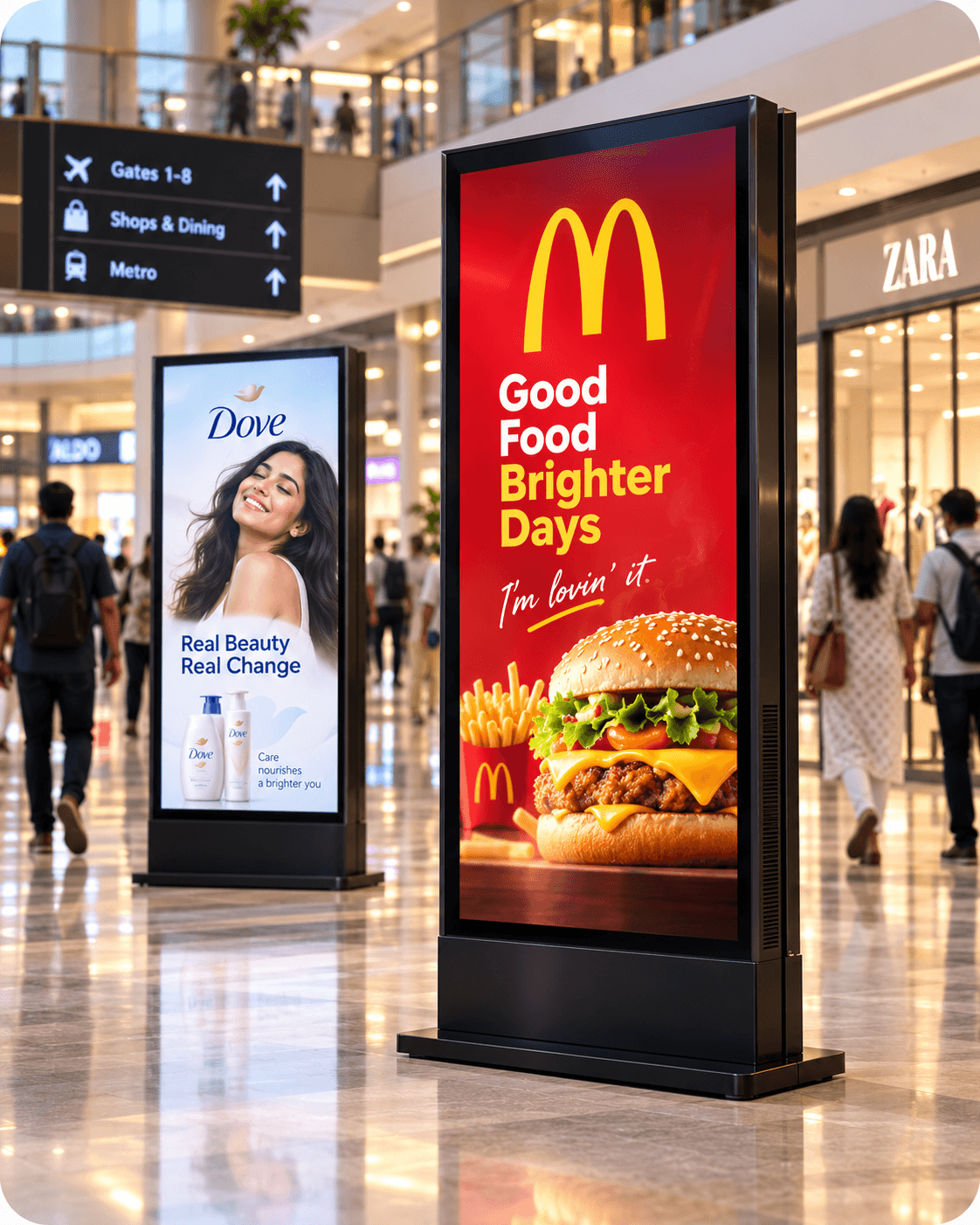
Atrium branding, lift panels and floor stickers are sold to brands already inside the building — which reaches people who have already decided to come.

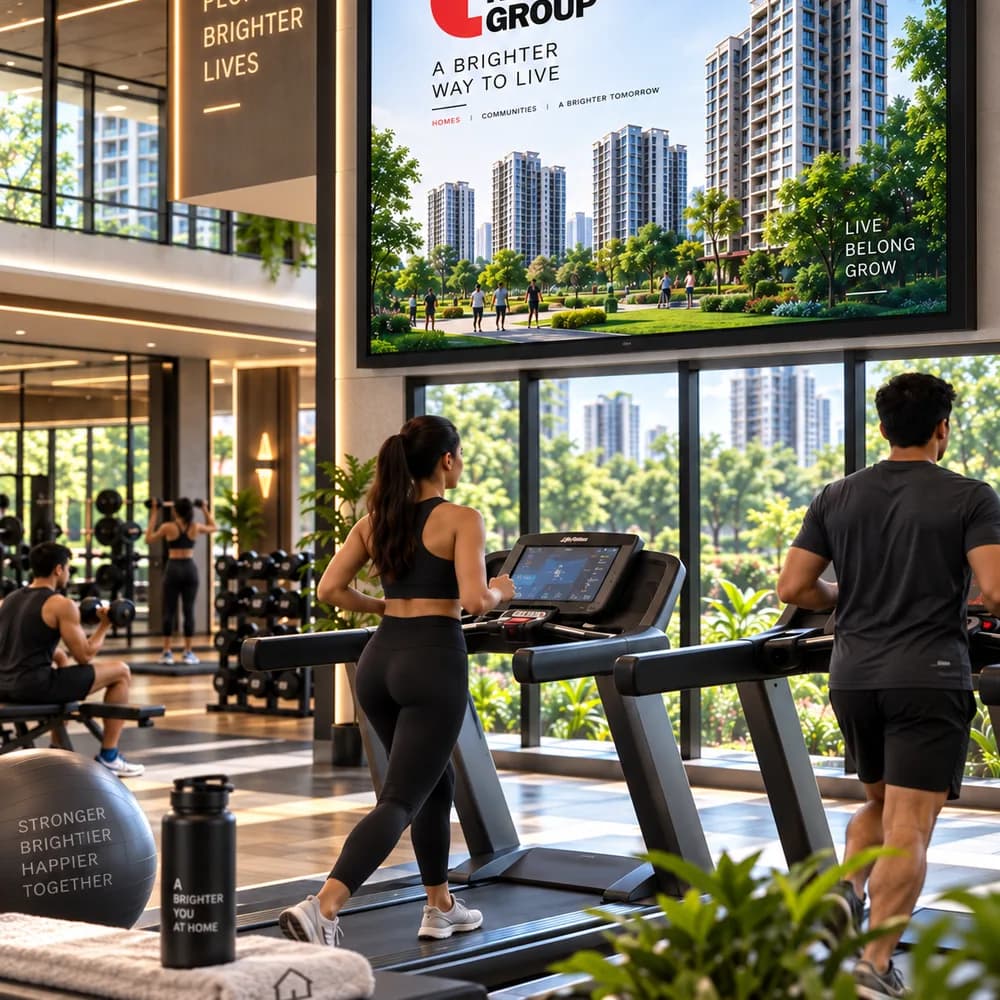
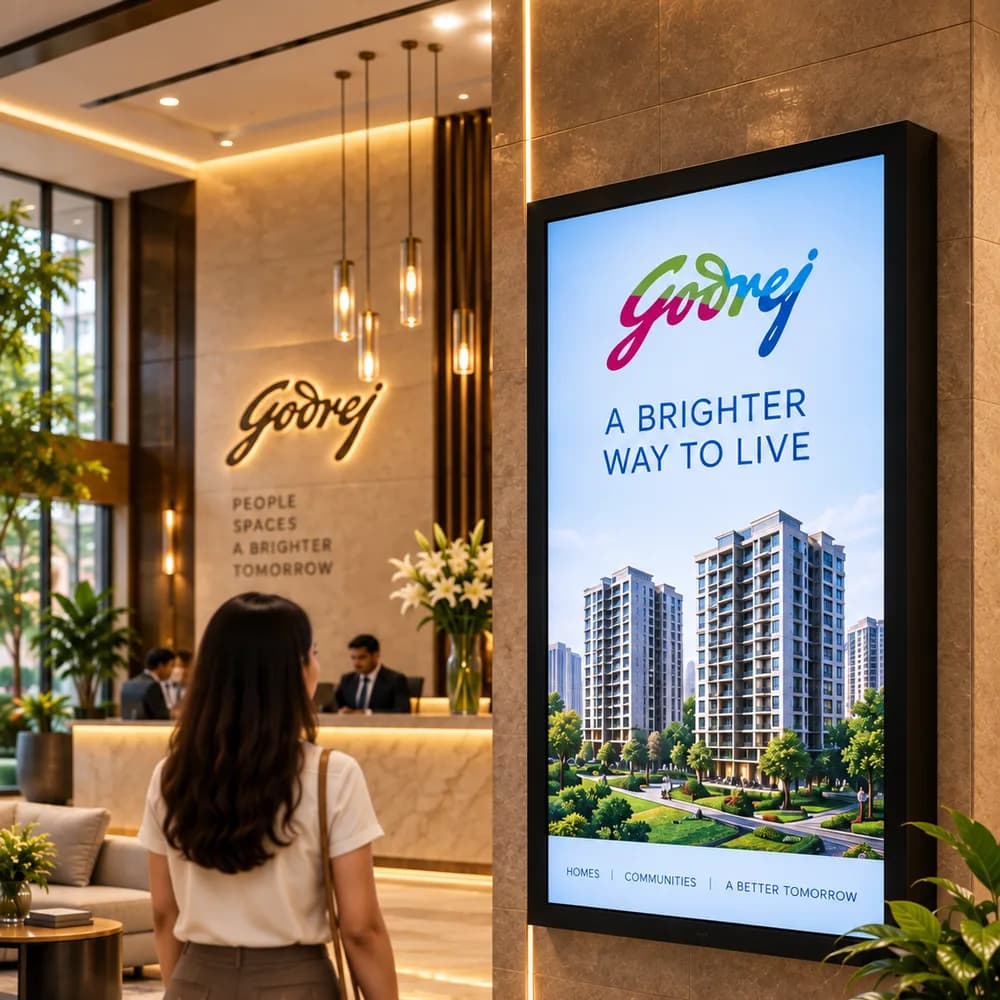
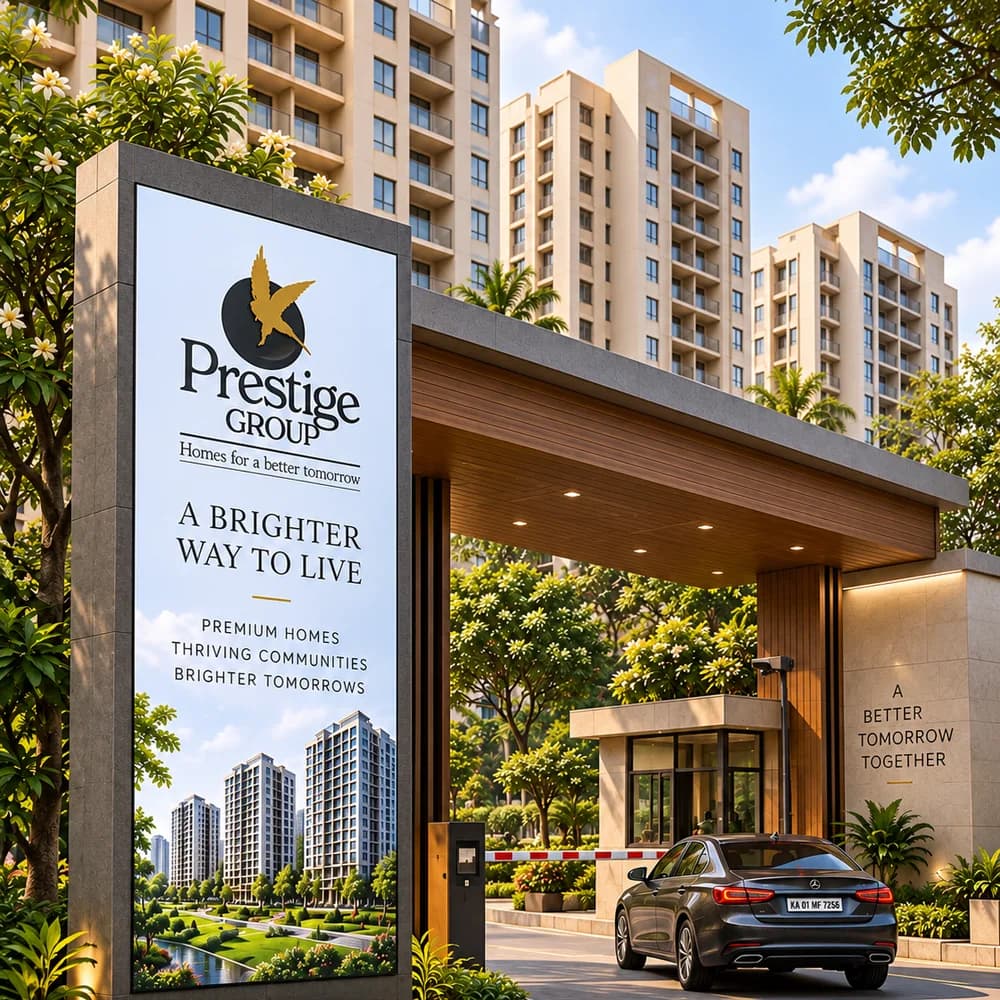
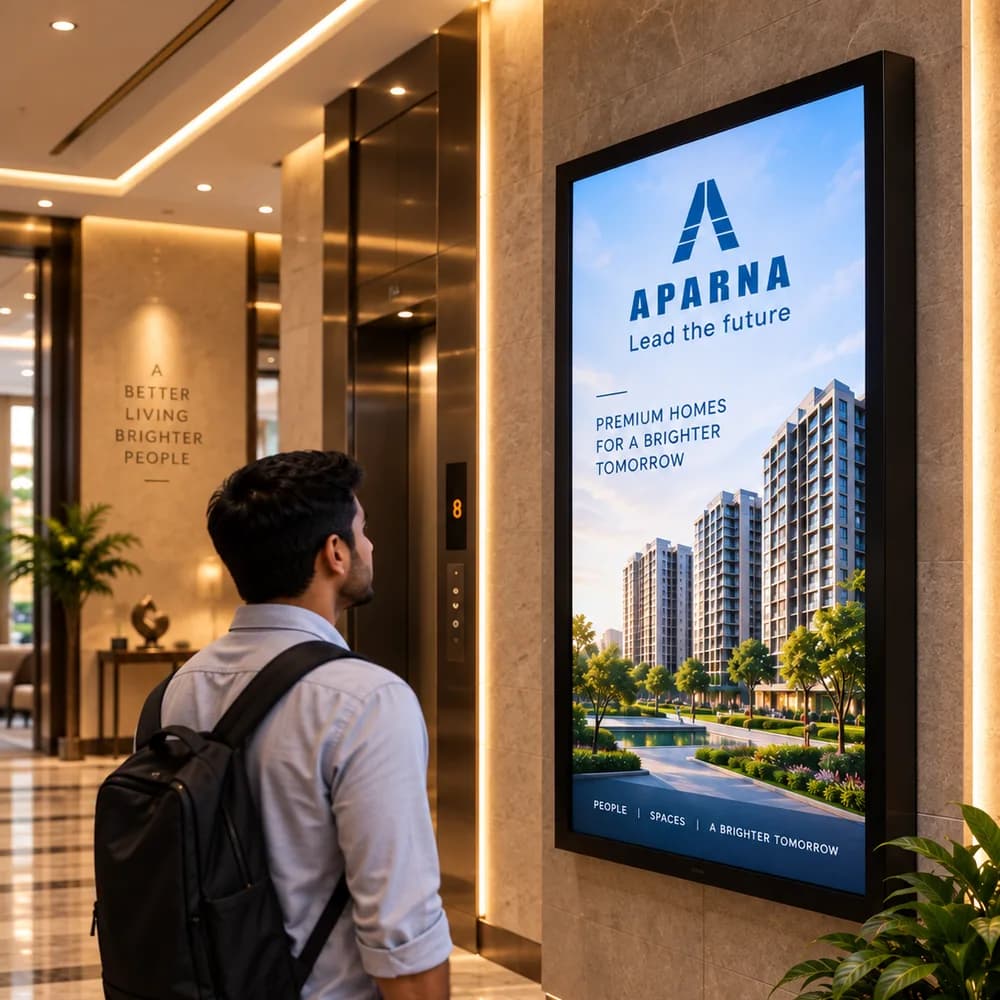
A mall's catchment is a ring, not a city. Most mall advertising is bought as brand presence on big formats, when the job is getting a family a few kilometres away to choose this weekend.
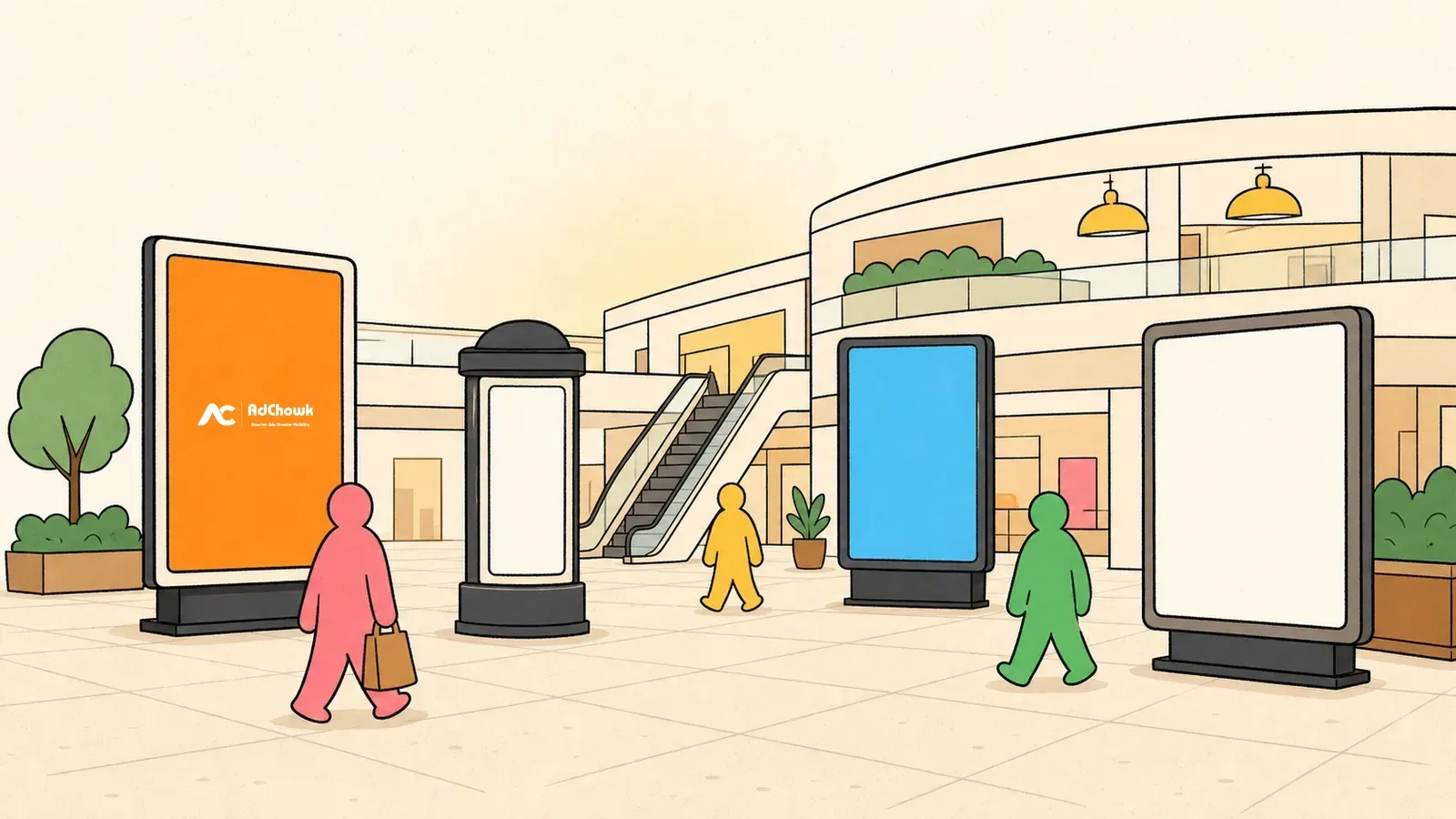
Nothing here is unusual or careless — it is how the category has been sold for years. It is worth setting out plainly, because most of the cost is structural rather than anyone’s mistake.
Atrium branding, lift panels and floor stickers are sold to brands already inside the building — which reaches people who have already decided to come.
A hoarding or two on the nearest arterial road, bought for prestige and taken for the year, with no relationship to which neighbourhoods actually supply footfall.
Spend concentrates around sale weekends and festivals, when every competing mall is bidding for the same inventory at the same time.
Which localities the visitors came from is rarely part of the media plan, so the same plan runs year after year regardless of where the footfall is actually coming from.
We publish no rate card, and no “average campaign cost” — the same site is priced differently in season, and a number invented for a brochure would be worth less than the quote you can get for your own dates.
Same budget, both times. The only difference is where it is put — and that is the whole product.
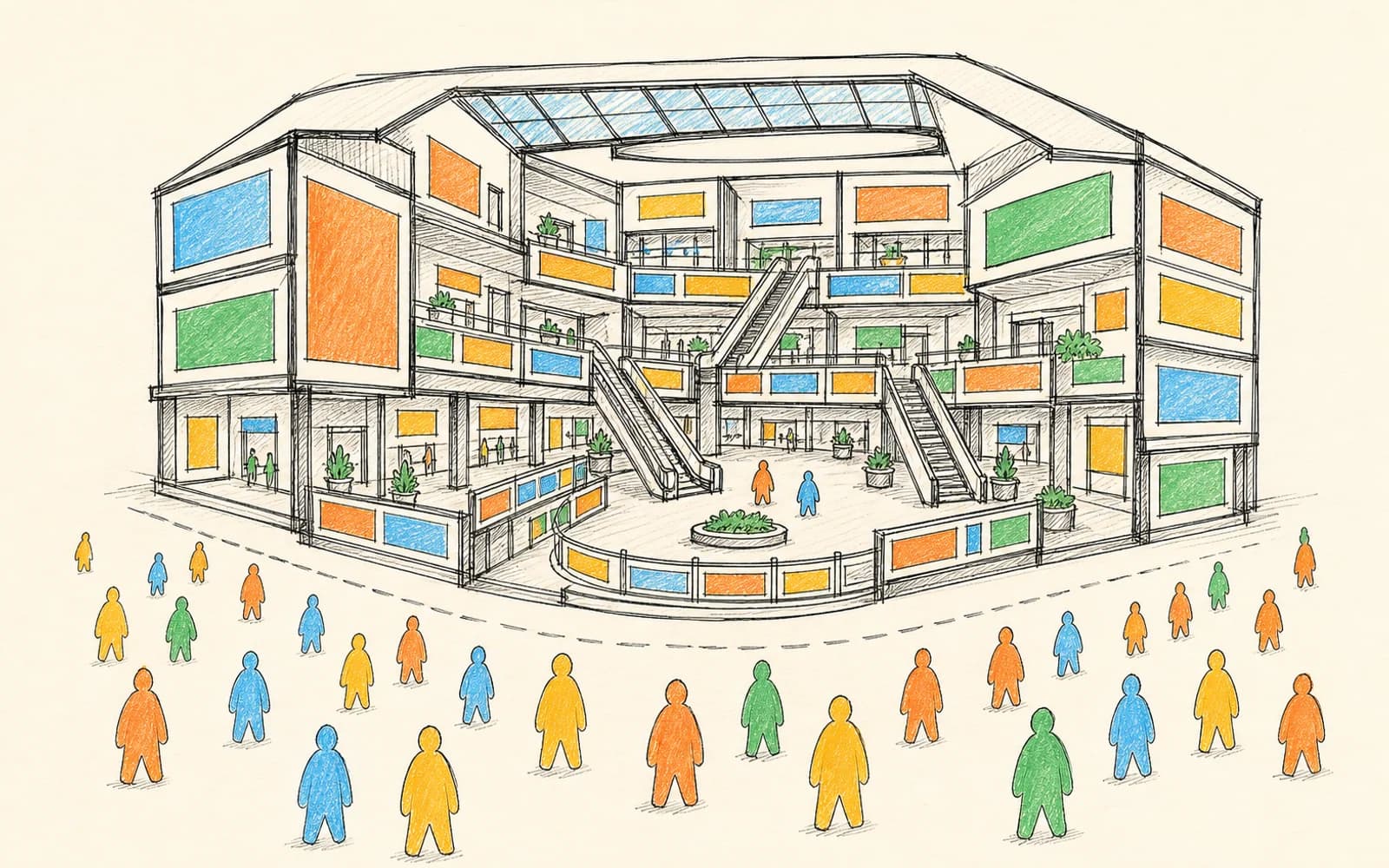
Media inside the building, sold to people who already decided to come.
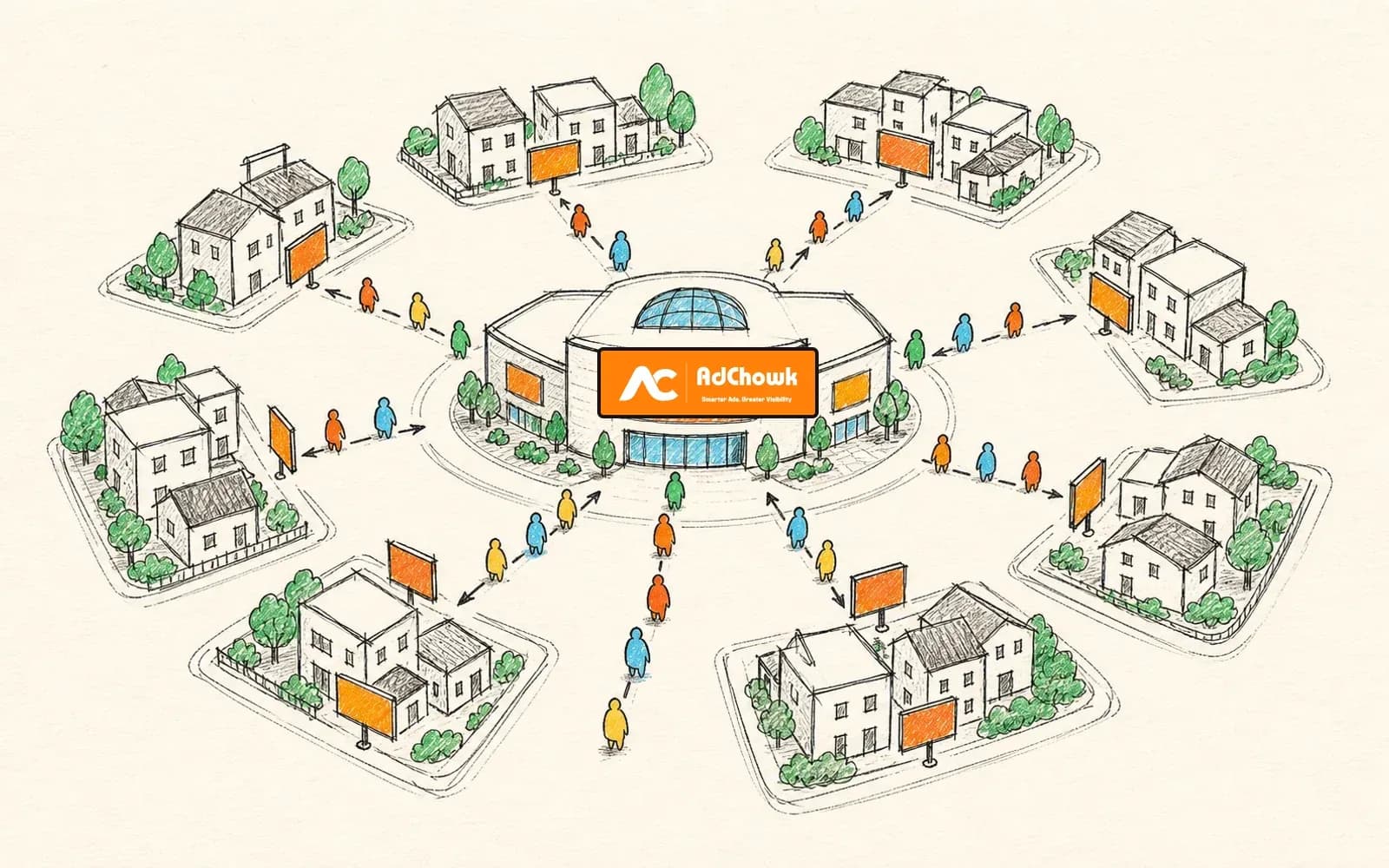
The ring of neighbourhoods that actually supplies the footfall.
Plan against the residential localities and commute corridors that actually feed the mall, rather than buying whichever large format is available.
Apartment lobby screens, society gates and bus shelters in the catchment reach a family where the decision is made, at a fraction of arterial hoarding rates.
Weight the plan to the days before a sale rather than spreading it evenly, so the money lands when someone is choosing where to go.
Every placement comes back as a GPS-tagged, timestamped photograph of the actual site. You are billed on the count that was verified, not the count that was assigned — if a site could not be installed, it comes off the invoice rather than into a summary.
Every format AdChowk sells, from the lowest-cost ones up. Pick the ones that fit your catchment and each is quoted against live availability.
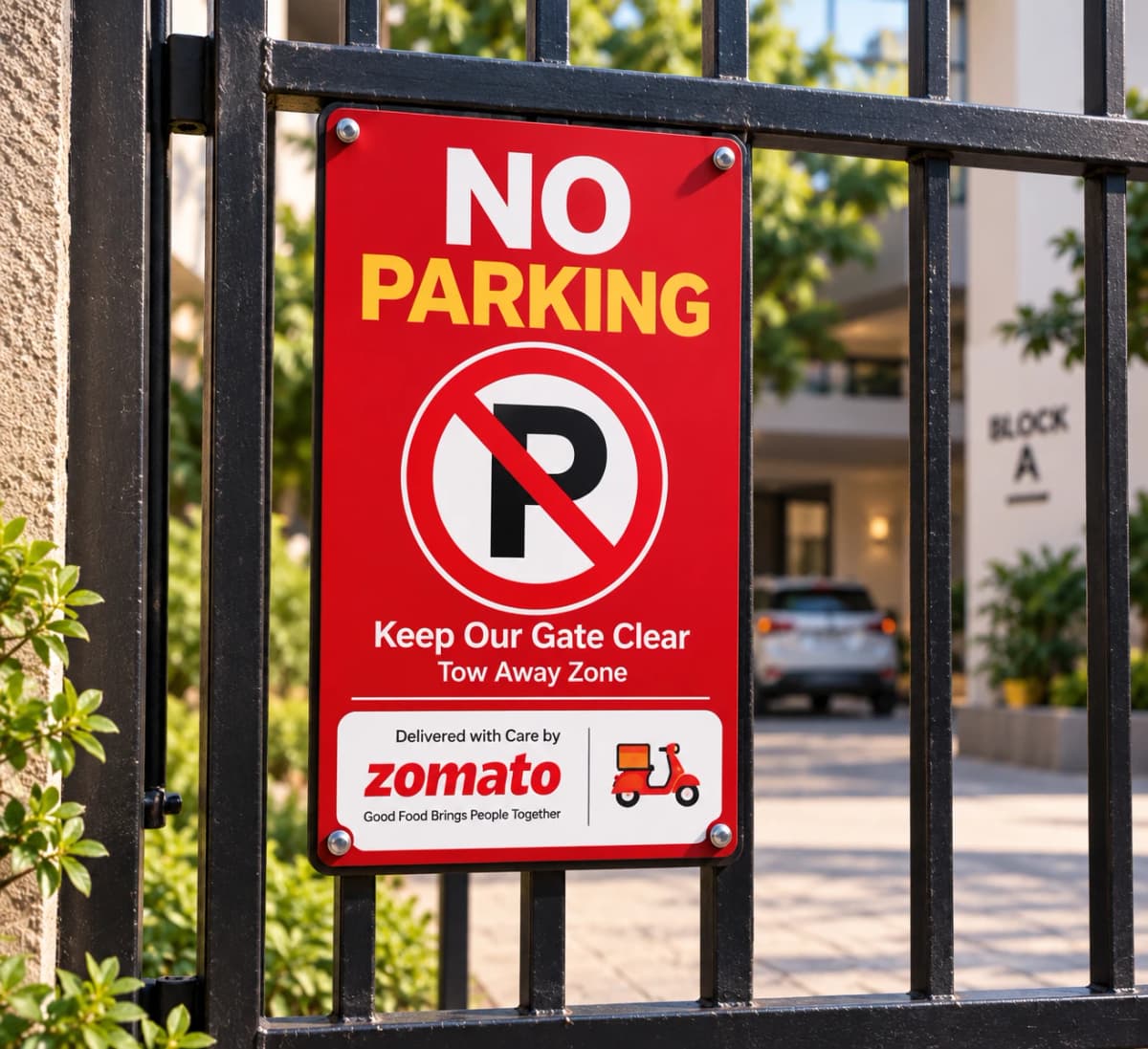
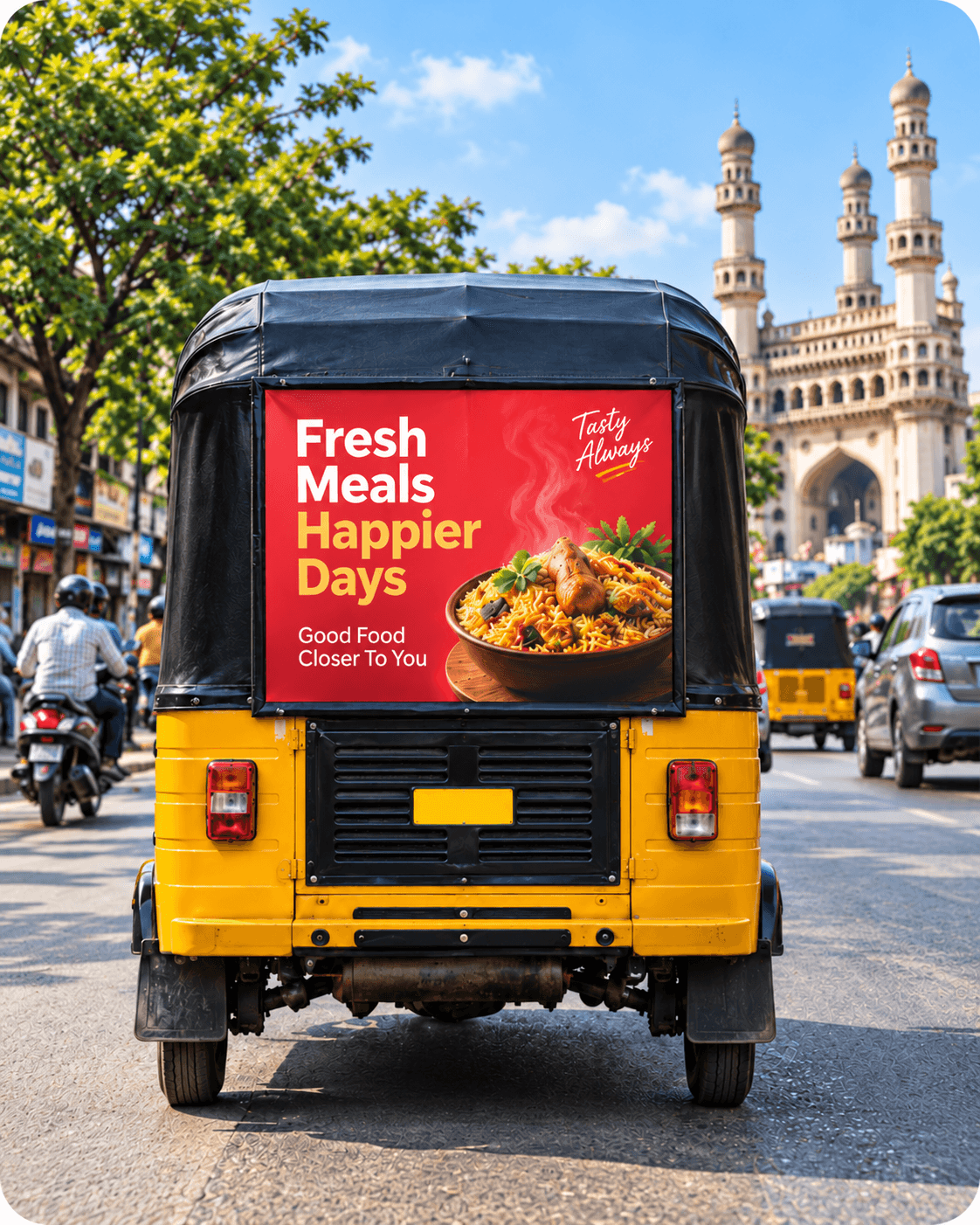
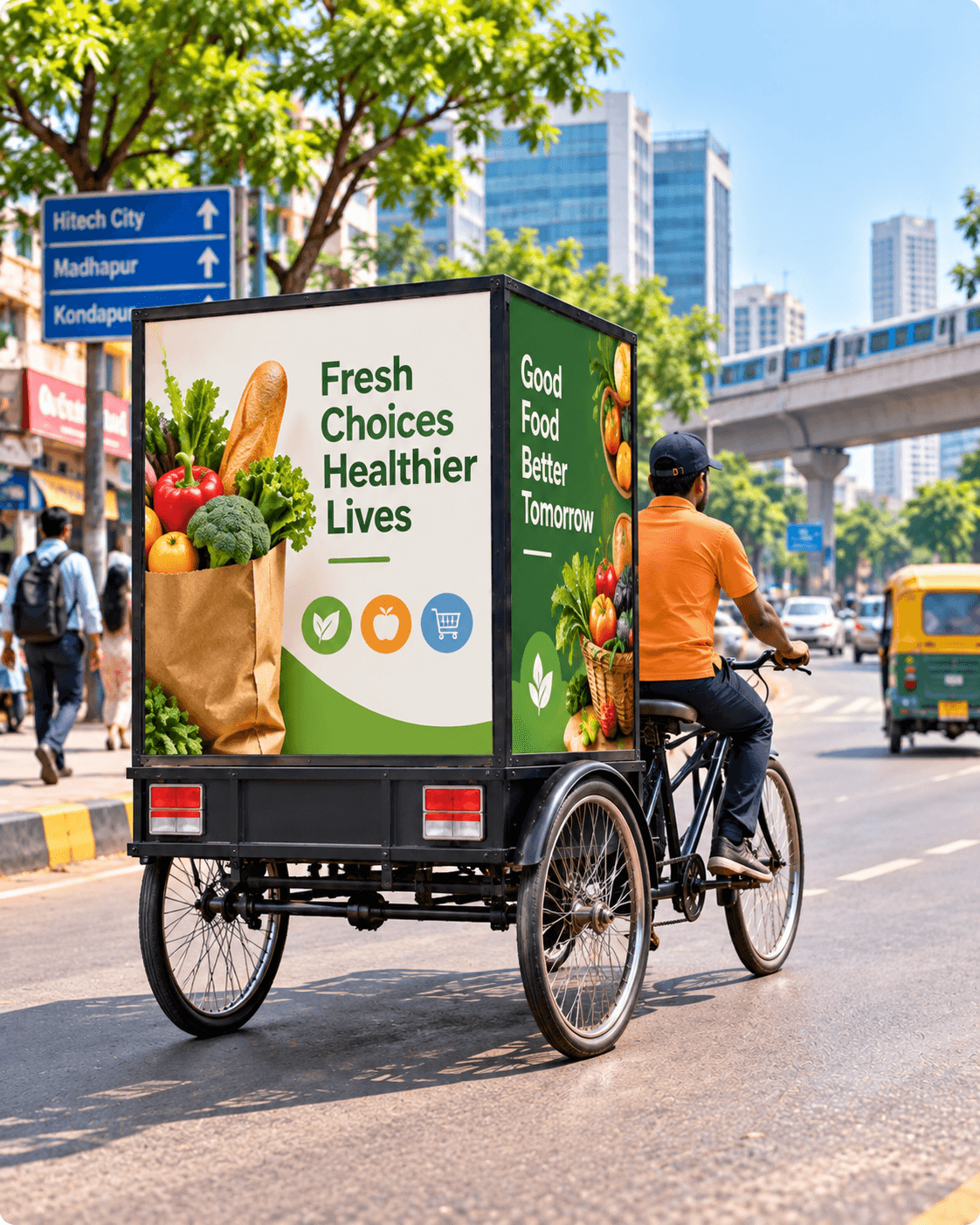


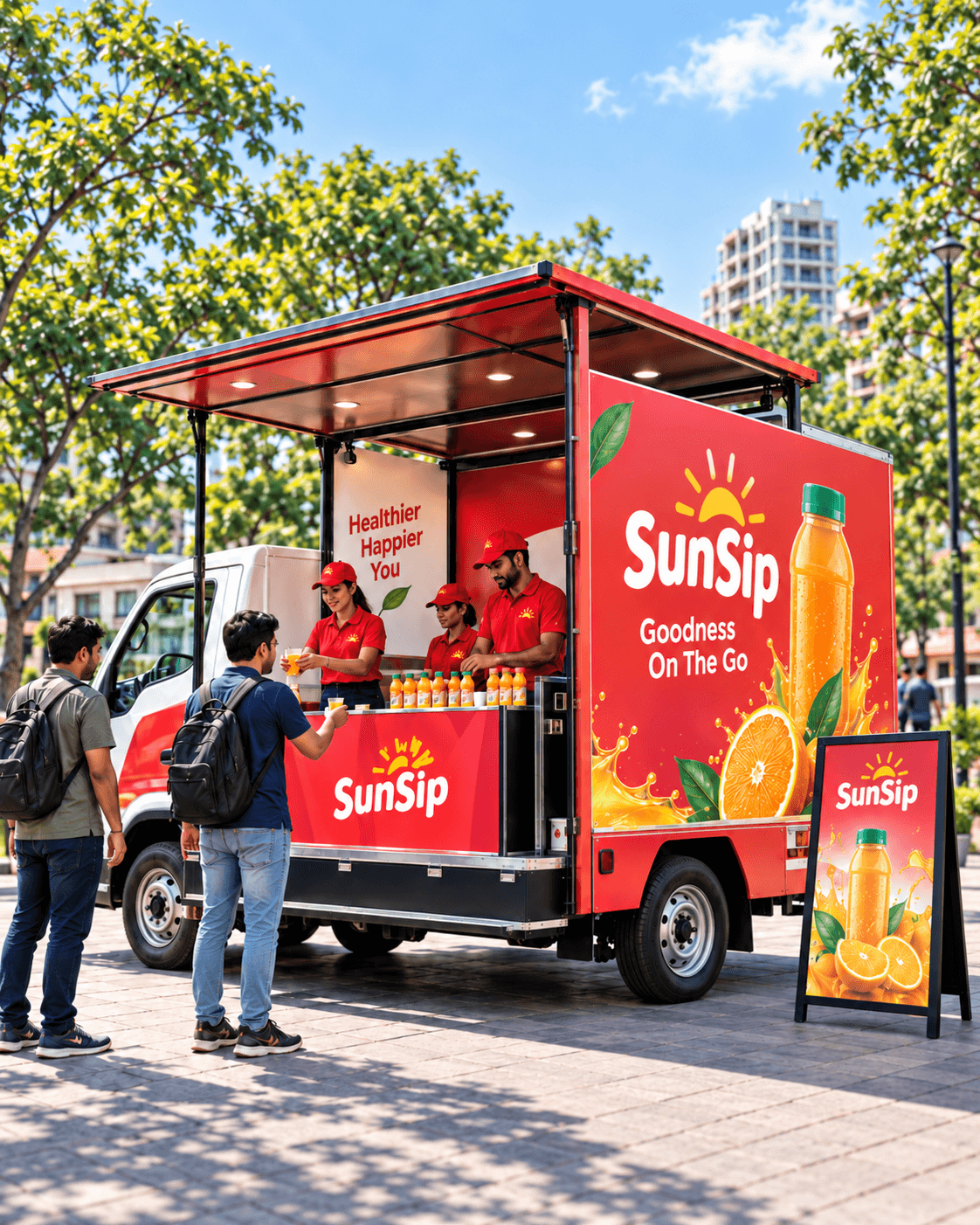
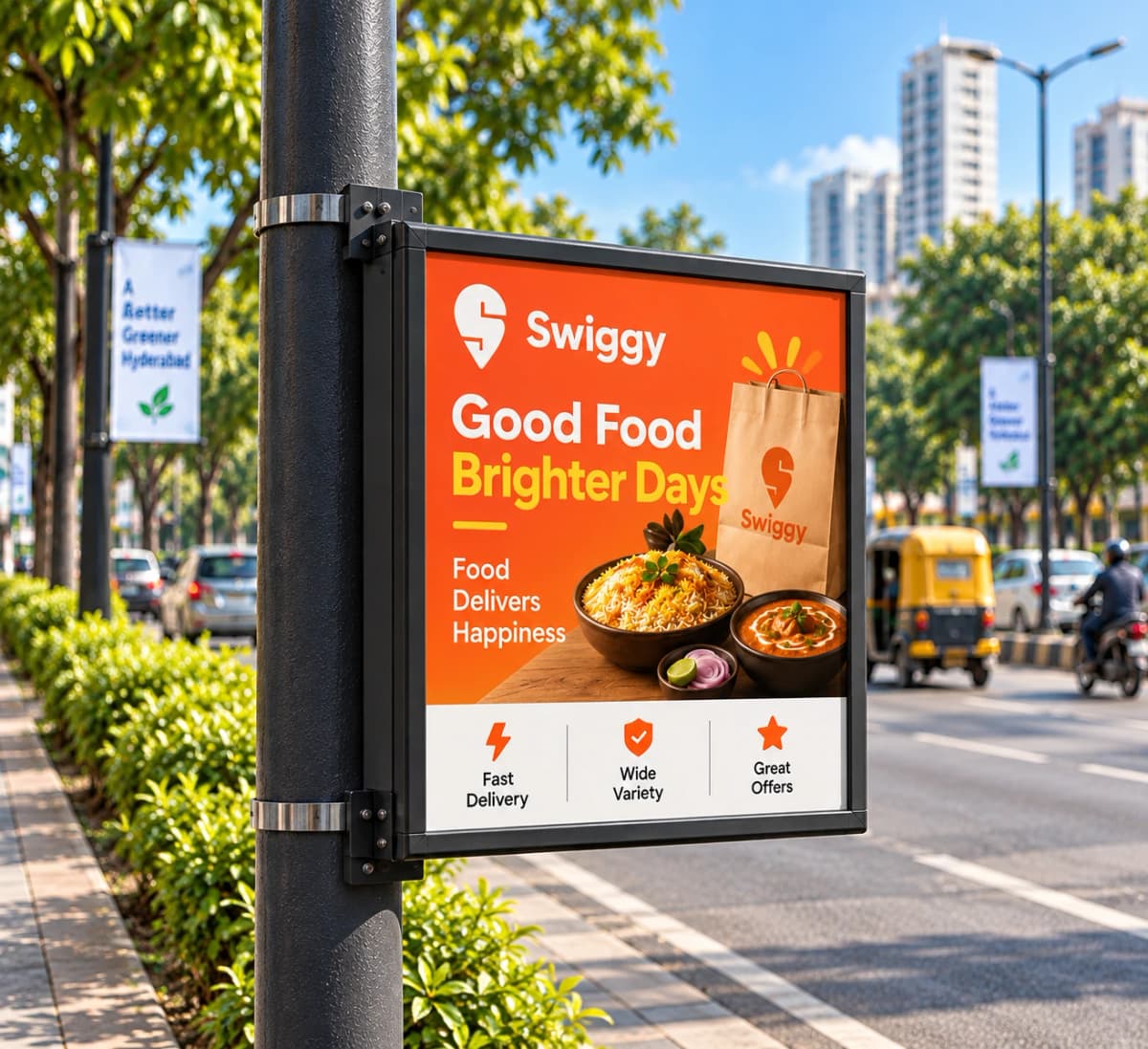




Large-format highway and junction hoardings for high-visibility, long-duration campaigns.
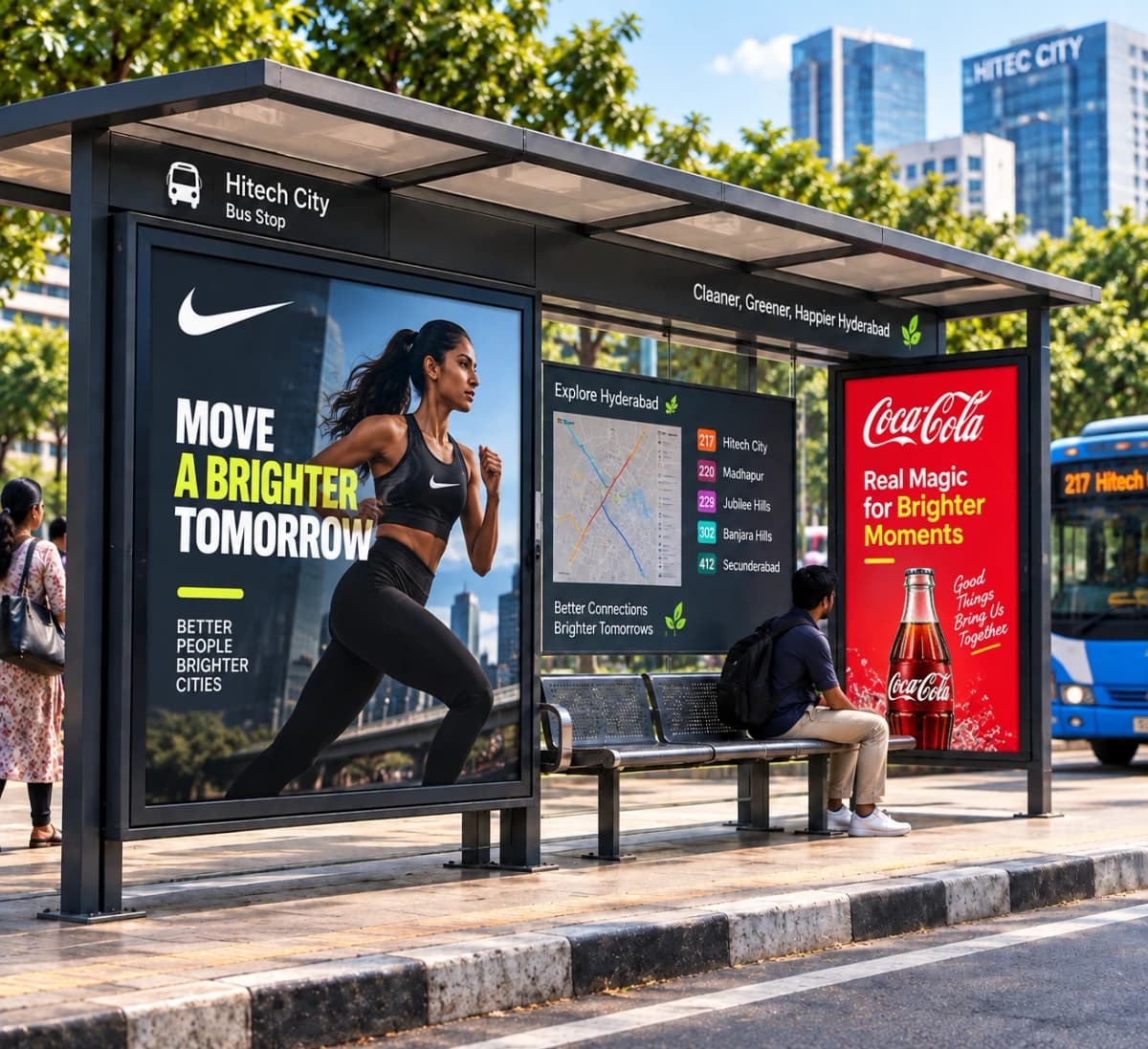
Bus queue shelter panels in high-footfall commuter zones.
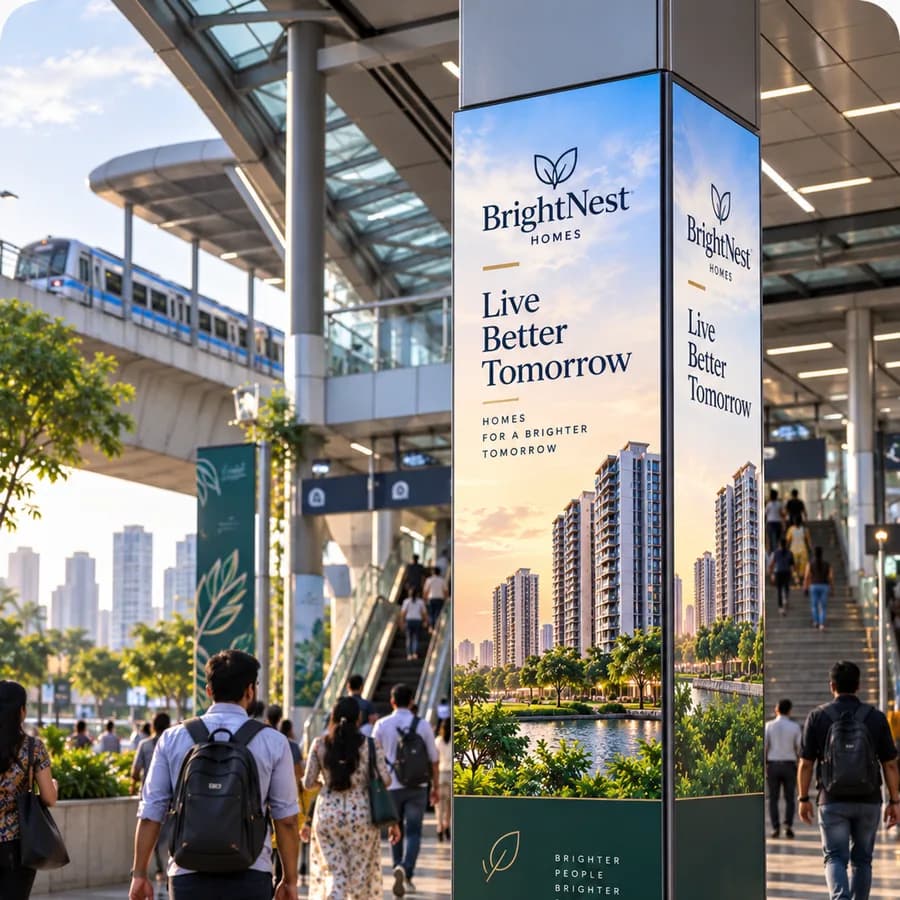
Branding on metro line pillars along high-traffic commuter corridors.
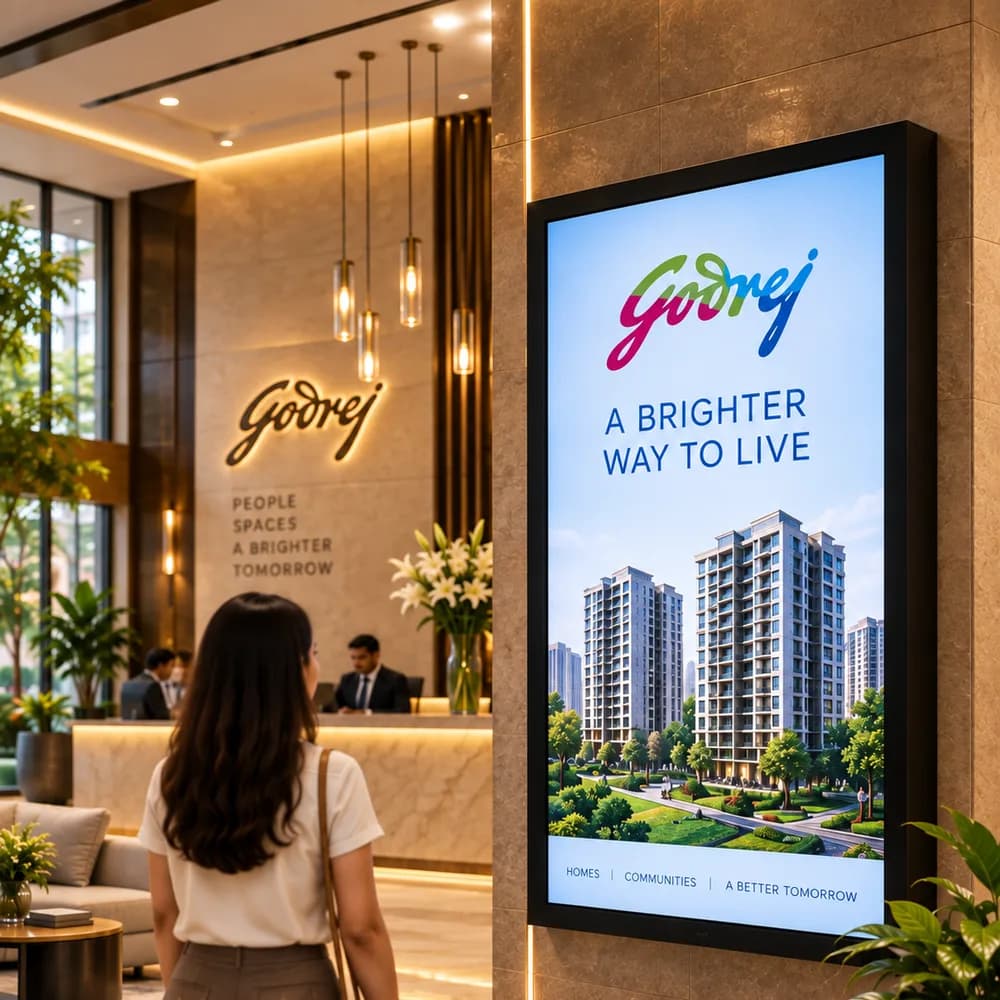
Digital screens inside residential complexes and gated communities.
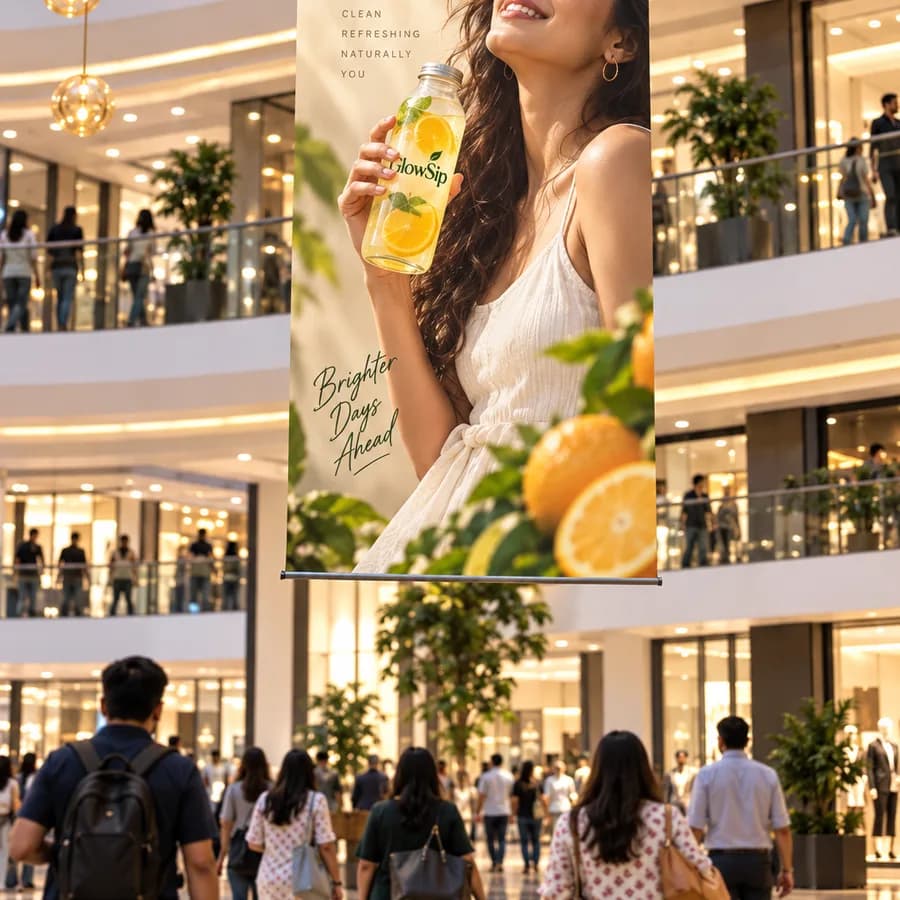
In-mall branding — entrances, atriums and digital screens in shopping centres.
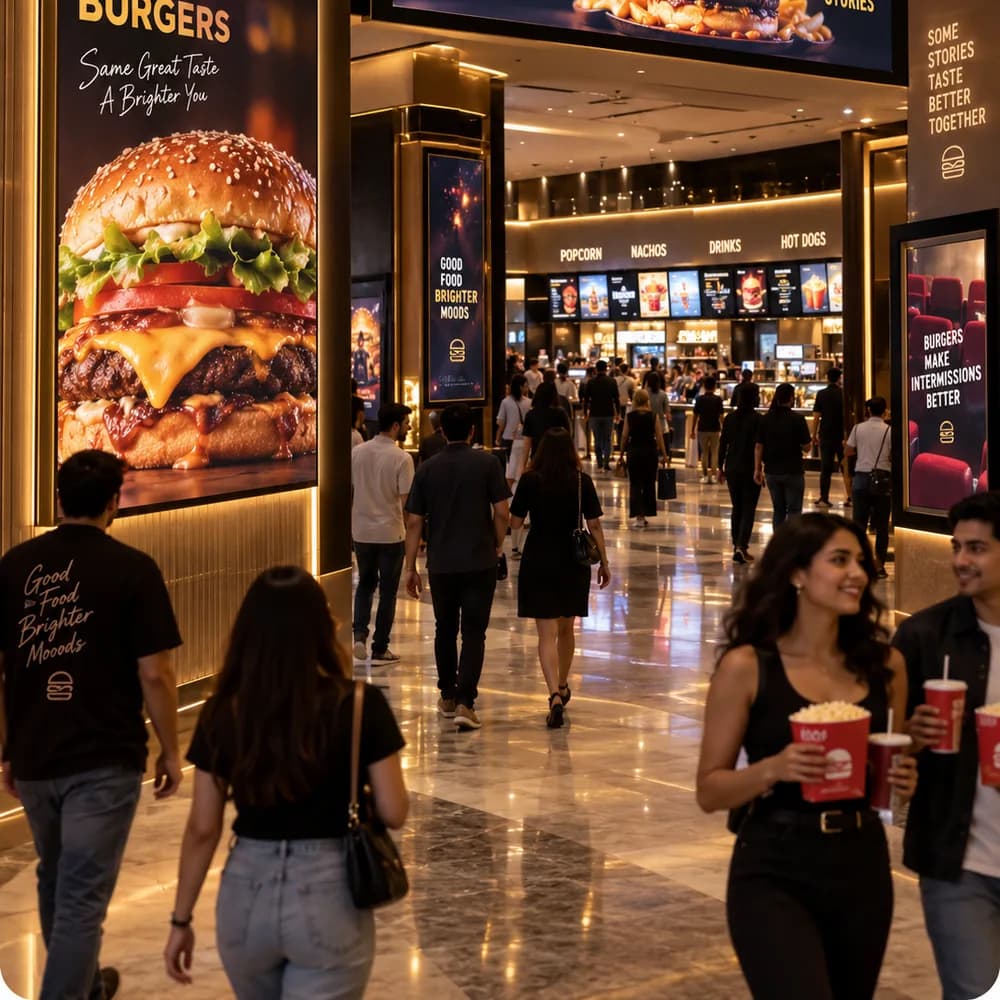
On-screen and lobby advertising in cinema halls and multiplexes.

Tall single-pole structures at major junctions and highways, visible from a distance.
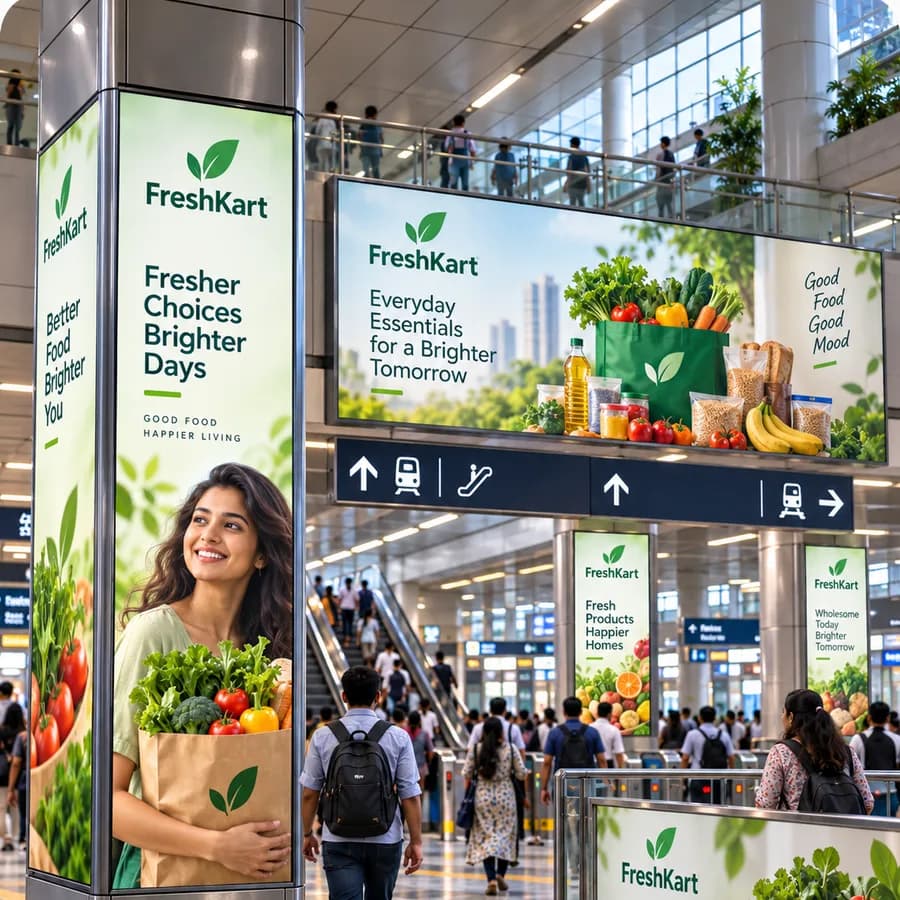
In-station branding at metro stations — concourses, entry gates and platforms.
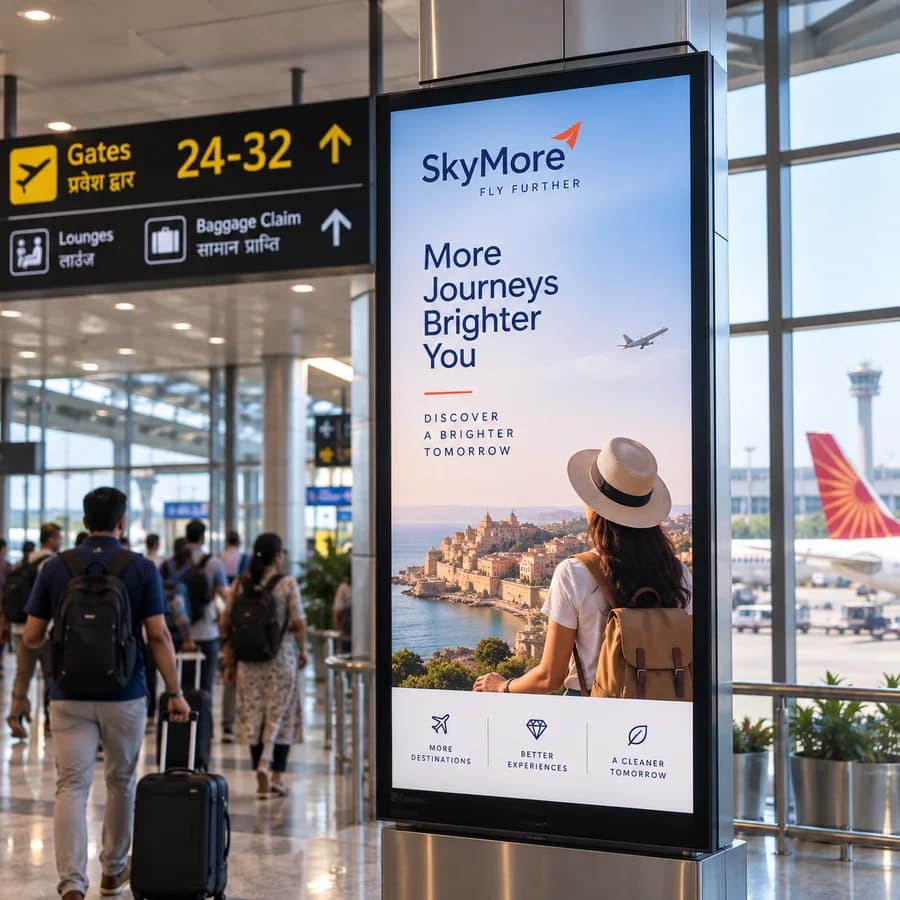
Terminal and concourse branding for premium, high-intent audiences.
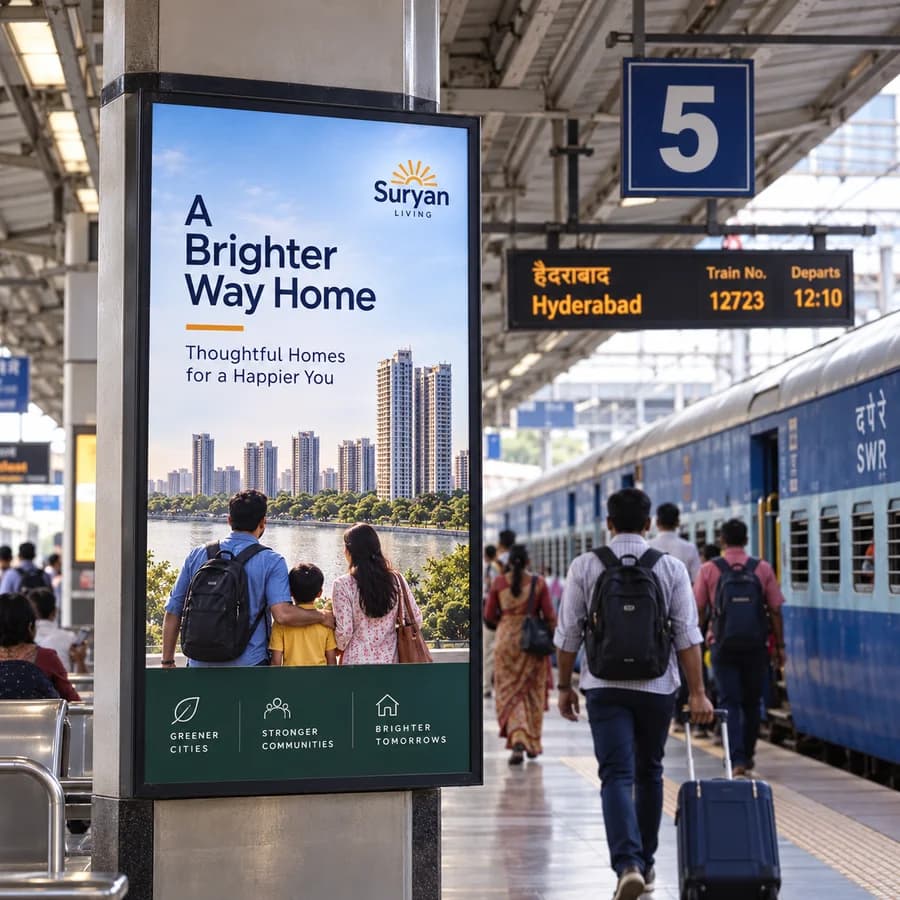
Platform and concourse branding at railway stations.
How the ring around a mall is turned into a media plan, and why inside-the-mall media is the wrong place to buy reach.
It depends on format, distance from the mall and season — catchment formats such as lobby screens and pole kiosks are typically a fraction of an arterial hoarding. AdChowk quotes per site against live availability rather than a published rate card.
Both, for different jobs. Inside-the-mall media converts people who are already there; the catchment formats outside are what bring someone in the first place. The mistake is treating inside media as the reach part of the plan.
Each placement returns a GPS-tagged, timestamped photograph of the live site, and the invoice reflects the verified count.
Tell us the catchment, the dates and the budget. We come back with a mix, the real sites behind it, and what each one costs.
No rate card, because the same site is priced differently in season — you get a quote for your own dates.
